History of Parsons Green
From medieval origins to modern metropolitan life
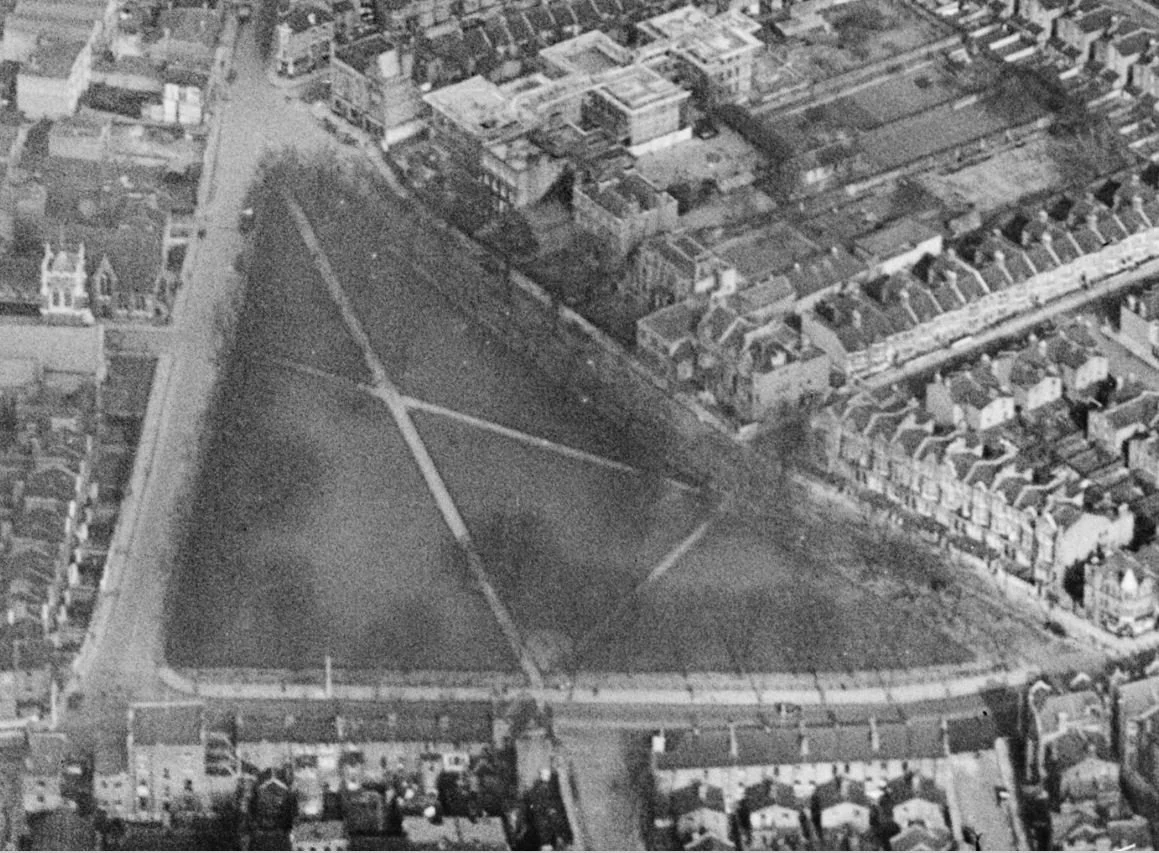
Described by John Marius Wilson in 1870 as 'a hamlet in Fulham parish', Parsons Green today is a lot busier and metropolitan than it was in 1870. The Green is surrounded by a neighbourhood of shops, houses, and offices. It is here that the Kings Tutors' London office is located in Peterborough Road. From sports to royalty, Parsons Green has been home to range of events throughout history.
Origins
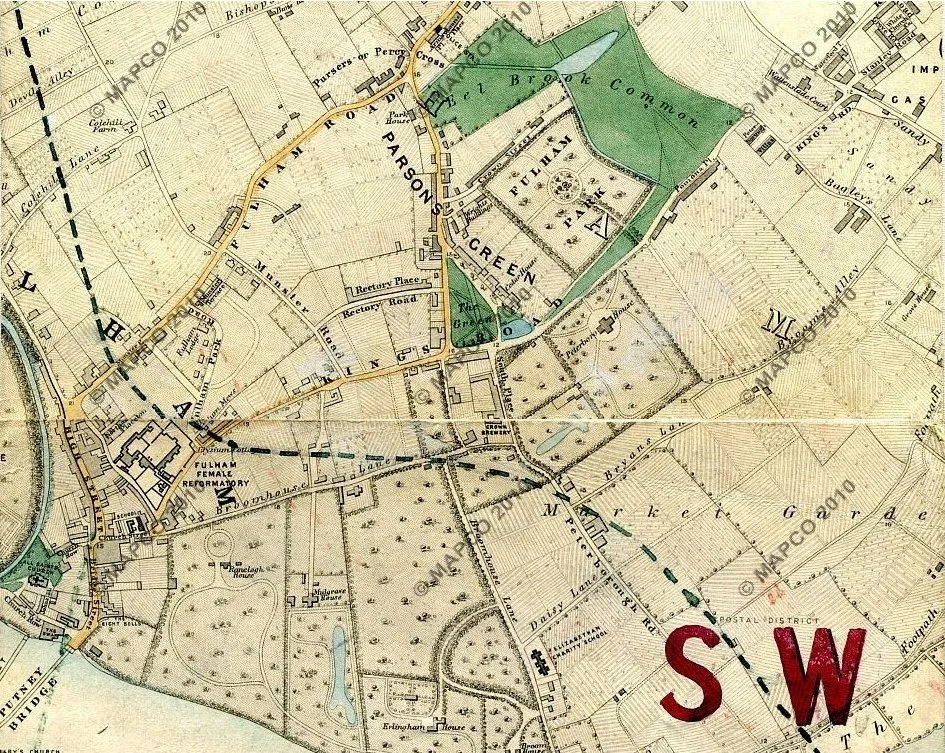
Parsons Green gets its name from the Fulham rectory that was built in the area in the 14th century. The parson was said to have used the Green as his personal bowling green.
There has been evidence that Parsons Greens was inhabited even earlier than this, as archaeological evidence of an Iron Age settlement was found under Lady Margaret School in 1996 when the school was being refurbished.
Growing Population and Famous Occupants
The number of occupants was very small for many centuries and it was not really until the 18th century that the population increased. Wealthy Londoners, including merchants, bankers, and courtiers built country retreats with large grounds in the rural area close to the city.
At the beginning of the 19th century, one famous tenant of the Green was Maria Fitzherbert, the companion and illicit wife of George, Prince of Wales (the Prince Regent and later King George VI), who lived at East End House.
Historical Development
Many of the grand country houses were replaced by suburban housing in the 1840s, although some of the houses survived on as schools. One Georgian house that remains today is Aragon House, named because it was built on the site of the dower house belonging to Henry VIII's first wife, Catherine of Aragon.
The 18th century novelist, Samuel Richardson, also lived in a house on this site.
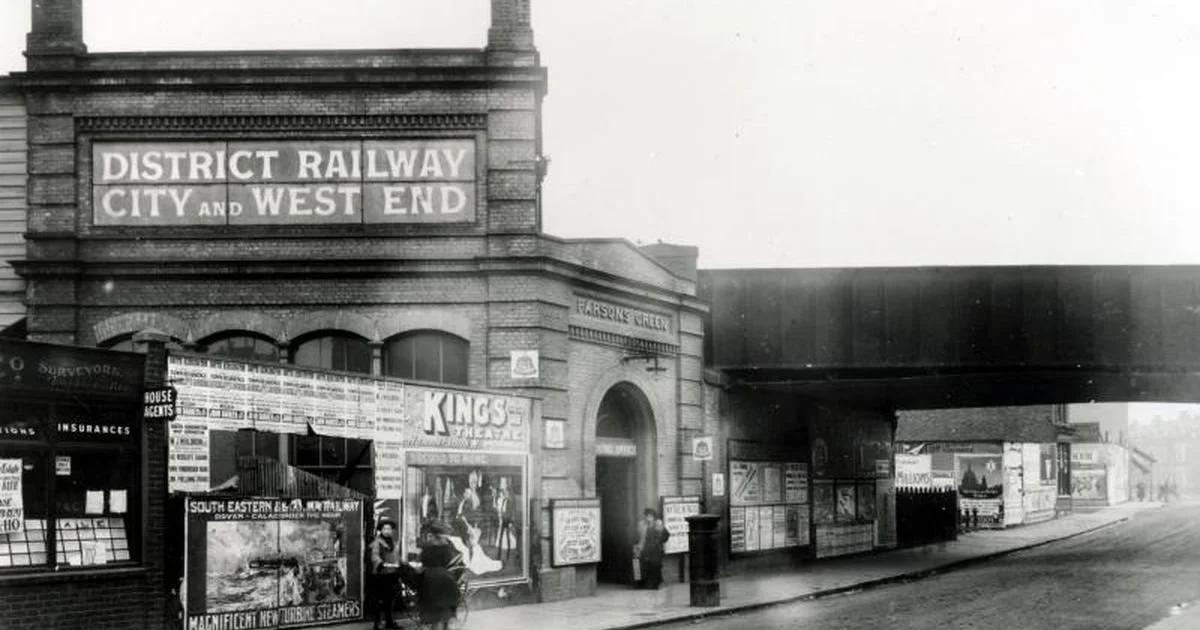
In 1880, the Midland District railway station opened in Parsons Green. This is now the line along which the London Underground District line travels. The Green was also home to Fulham Football Club in 1889.
Historical Timeline
14th Century
Fulham rectory built, Parsons Green named
18th Century
Population growth, country retreats built
19th Century
Maria Fitzherbert residence, suburban development
1880-1889
Railway station opens, Fulham FC established